

Gardening for beginners. How to start your own organic vegetable garden.

Hello and welcome to our tutorial on how to start your own vegetable garden.
Whether you're new to gardening or just looking for some tips and tricks to get started this blog is for you.
in this tutorial, we'll cover everything you need to know to get your garden up and running from choosing the right location, and preparing the soil to select the best vegetables to plant and caring for them as they grow so let's get started.
- Choosing the right location
- Prepare the soil
- Selecting the best vegetables to plant
- planting and caring
- Pest Control
- Choosing the right location
Choosing the right location for your vegetable garden the first step in starting a vegetable garden is choosing the right location.
There are a few factors to consider when selecting the perfect spot for your garden.
- Sunlight
Most vegetables need at least six to eight hours of direct sunlight per day to thrive.
Choose a location that gets plenty of sunlight and avoid Shady spots or areas that are heavily shaded by trees or buildings.
- Soil quality
credit:-fine gardening
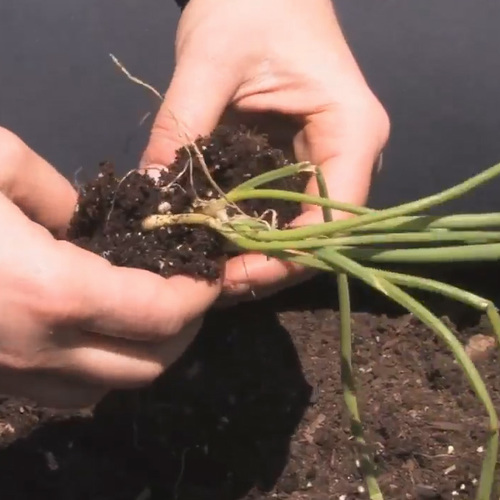
Good soil is the foundation of a healthy vegetable garden. Look for a spot with well-draining soil that is rich in organic matter.
If your soil is poor quality you may need to add compost or other amendments to improve its structure and fertility.
- Proximity to water
It's important to have easy access to water for your garden, especially during hot dry periods.
Choose a location that is close to a water source or consider installing a drip irrigation system to make watering easier.
- Size and shape
Think about the size and shape of your garden when choosing a location. if you're just starting out you may want to opt for a smaller space that is easy to manage.
Larger Gardens can be more challenging to maintain, but they also offer more room for a variety of vegetables.
2. Prepare the soil
Prepare the soil for your vegetable garden once you've chosen the right location for your garden the next step is preparing the soil.
Here are some tips for getting your soil ready for planting test your soil. it's a good idea to test your soil before you start planting this will give you an idea of the pH level how acidic or alkaline the soil is and the nutrient levels.
You can purchase a soil testing kit at a garden center or online or you can send a soil sample to a Testing Lab add compost, compost is a great way to improve the structure and fertility of your soil. It’s made from decomposed organic matter such as food scraps and yard waste and it adds nutrients and microbes to the soil.
You can purchase compost from a garden center or make your own by composting at home till or loosening the soil once you've added compost to your soil you'll want to till or loosen it up to a depth of about six to eight inches.
This will help the soil to drain well and allow roots to grow easily. You can use a garden fork or a tiller to loosen the soil and break the soil smoothly, after tilling or loosening the soil use a rake to smooth it out and remove any debris or weeds. This will create a clean surface for planting.
3. selecting the best vegetables to plant
Selecting the best vegetables to plant in your garden now that you've chosen a location and prepared the soil it's time to start thinking about what vegetables you want to plant here are a few things to consider When selecting the best vegetables for your garden.
- Climate
Different vegetables have different growing requirements so it's important to choose varieties that are well-suited to your climate. For example, warm-season vegetables such as tomatoes peppers, and squash need plenty of sunshine and warm temperatures to thrive.
Cold-season vegetables such as broccoli cabbage and lettuce prefer cooler temperatures and can often be planted earlier in the spring or later in the falling space.
- Consider the size and shape of your garden
When selecting vegetables some vegetables such as tomatoes and peppers need more space to grow while others such as radishes and lettuce can be planted more closely together with personal preferences.
Think about what you and your family like to eat when selecting vegetables for your garden. it's always more satisfying to grow and eat your own produce so choose vegetables that you know you'll enjoy the ease of care if you're new to gardening.
You may want to start with vegetables that are relatively easy to care for some good options for beginner gardeners include tomatoes lettuce and green beans etc.
4. planting and caring
Planting and caring for your vegetable garden once you've chosen the vegetables you want to plant. Now it's time to get started here are some tips for planting and caring for your garden.
Follow the instructions on the seed packets each type of vegetable has its own specific planting and care instructions so be sure to follow the recommendations on the seed packets.
This will help ensure that your plants get off to good start water regularly water is essential for the growth and development of your vegetables be sure to water your garden regularly, especially during hot dry weather. Avoid over-watering as this can lead to root rot and other problems fertilize most vegetables benefit from fertilization especially when they are young and growing.
Choose a fertilizer that is appropriate for your plants and follow the instructions on the package for application rates and frequency.
5. Pest Control
pests can be a problem in any Garden so it's important to be proactive about Pest Control. Keep an eye out for common Garden pests such as aphid slugs and caterpillars and take steps to control them if necessary you can use organic methods such as hand picking and releasing beneficial insects or you can use chemical pesticides if necessary. Harvesting one of the best parts of gardening is harvesting your homegrown vegetables be sure to check your plants regularly and harvest them when they are at their peak of ripeness.
Conclusion
congratulations on starting your own vegetable garden with a little planning preparation and care you can enjoy fresh homegrown produce all season long happy gardening